The Role of Biomeds in Kenya: Advancing Healthcare
Discover how biomed engineering is transforming hospitals across Kenya through expert maintenance and calibration. Learn about biomedical engineering in Kenya, medical equipment maintenance, and medical equipment repair.

What Is Biomedical Engineering?
Biomedical engineering is the application of engineering principles and design concepts to medicine and biology for healthcare purposes. In Kenya, this field has grown rapidly as hospitals invest in advanced medical technology. Biomedical engineering in Kenya encompasses the design, development, maintenance, and calibration of medical equipment, ensuring that devices used for diagnosis and treatment function safely and accurately. The professionals who carry out this vital work are known as biomeds in Kenya.
These specialists combine expertise in engineering, biology, and medicine to bridge the gap between clinical needs and technological solutions. Whether it is a simple patient monitor or a complex MRI machine, biomedical engineers ensure every device operates at peak performance.
What Do Biomeds in Kenya Do?
Biomedical engineers in Kenya perform a wide range of tasks essential to hospital operations. Their responsibilities include:
- Installation and Commissioning: Setting up new medical equipment and ensuring it meets manufacturer and safety standards.
- Preventive Maintenance: Conducting scheduled inspections and servicing to prevent breakdowns before they occur.
- Medical Equipment Repair: Diagnosing and fixing faulty devices quickly to minimize clinical downtime.
- Medical Equipment Calibration: Adjusting equipment to ensure accurate readings and safe operation.
- Training: Educating hospital staff on the correct and safe use of medical devices.
- Compliance: Ensuring all equipment meets ISO, FDA, and local regulatory requirements.
Without dedicated biomeds, hospitals would face frequent equipment failures, inaccurate diagnoses, and increased patient risk.
Types of Medical Equipment That Need Maintenance
Hospitals rely on a vast array of medical devices, each requiring regular attention. Common equipment that benefits from medical equipment maintenance includes:
- Patient monitors and vital signs machines
- Ventilators and anesthesia machines
- Infusion pumps and syringe pumps
- Defibrillators and ECG machines
- Ultrasound machines and X-ray systems
- Laboratory analyzers and centrifuges
- Surgical instruments and electrosurgical units
- Dialysis machines and oxygen concentrators
Each of these devices requires a tailored maintenance schedule to ensure reliability and patient safety.
Why Preventive Maintenance Is Important in Hospitals
Preventive maintenance is not just a best practice—it is a critical patient safety measure. Here is why it matters:
- Patient Safety: Malfunctioning equipment can lead to misdiagnosis or injury. Regular servicing prevents this.
- Cost Savings: Addressing small issues early avoids expensive major repairs or replacements.
- Extended Equipment Lifespan: Proper care ensures devices last longer, maximizing hospital investment.
- Regulatory Compliance: Many health authorities require documented maintenance records.
- Reduced Downtime: Scheduled maintenance minimizes unexpected breakdowns during critical procedures.
Hospitals that prioritize medical equipment maintenance see improved clinical outcomes and higher patient satisfaction.
Medical Equipment Repair and Calibration
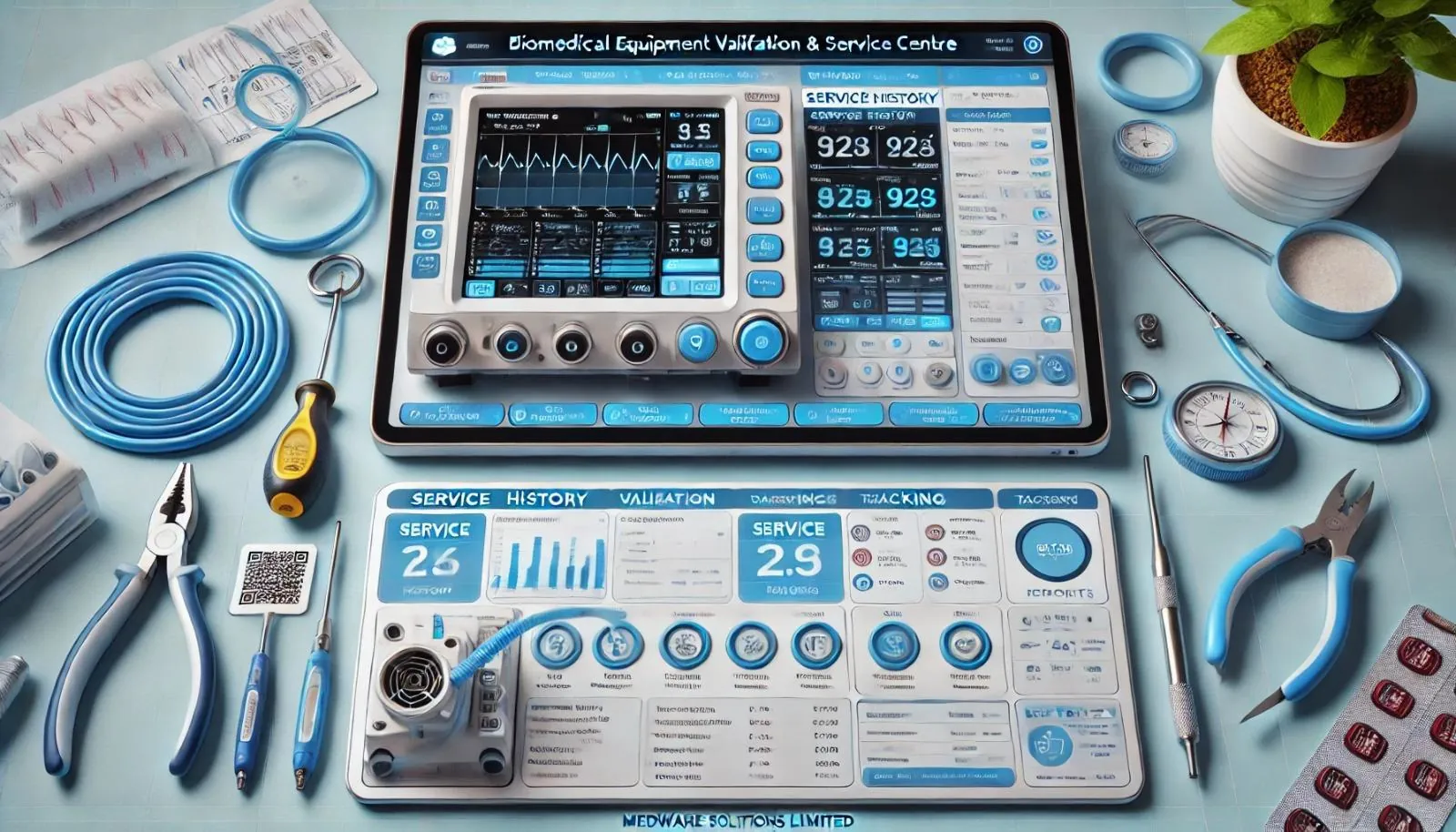
When equipment fails, prompt medical equipment repair is essential. Biomeds diagnose faults, source genuine spare parts, and restore devices to full functionality. Calibration, on the other hand, ensures that equipment provides accurate measurements. A ventilator delivering incorrect tidal volumes or an infusion pump administering the wrong dose can have serious consequences. Regular medical equipment calibration is therefore non-negotiable in any healthcare facility.
How to Choose a Biomedical Engineering Company in Kenya
Selecting the right partner for biomedical services is crucial. When evaluating biomedical companies in Kenya, consider the following:
- Certifications: Look for ISO 13485, ISO 17025, and other relevant credentials.
- Experience: A proven track record with hospitals of similar size and complexity.
- Range of Services: Can they handle installation, maintenance, repair, and calibration across multiple equipment types?
- Response Time: How quickly can they attend to emergencies?
- Spare Parts Availability: Do they stock or source genuine parts efficiently?
- Client References: Speak to other healthcare facilities they have served.
Choosing a reliable partner ensures your hospital's equipment remains safe, compliant, and operational.
How Medware Solutions Supports Healthcare Facilities
At Medware Solutions, we are proud to be among the leading biomedical companies in Kenya. Our team of certified biomedical engineers in Kenya provides comprehensive biomedical engineering services in Kenya, including:
- Preventive Maintenance Contracts: Tailored schedules to keep your equipment in top condition.
- Emergency Repairs: Rapid response to minimize clinical disruption.
- Calibration Services: Ensuring accuracy and compliance with international standards.
- Spare Parts Supply: Genuine, OEM-compatible components sourced globally.
- Equipment Planning: Advisory services for new facility setups and expansions.
- Biomedical Engineer Placement: On-site engineers for long-term support.
We partner with hospitals across Kenya and East Africa to deliver reliable, standards-compliant biomedical solutions.
Frequently Asked Questions
Why is preventive maintenance important?
It extends the lifespan of expensive medical equipment and prevents unexpected breakdowns during critical patient care. Regular medical equipment maintenance is essential for patient safety.
Do you supply spare parts?
Yes, we source genuine, OEM-compatible components from trusted global manufacturers for all your medical equipment repair needs.
How often should medical equipment be calibrated?
Medical equipment calibration schedules depend on the manufacturer's guidelines, typically ranging from every 6 months to annually. We help you stay compliant.
What areas do you serve?
We provide biomedical engineering services in Kenya nationwide, with a focus on Nairobi and major towns, as well as projects across East Africa.
Why Choose Medware Solutions?
At Medware Solutions, we don't just supply equipment; we partner with you for the entire lifecycle of your facility.
- Expert Engineering: Certified biomeds and technical staff.
- ISO Compliance: Strict adherence to international safety standards.
- Turnkey Execution: From architectural design to final commissioning.
- 24/7 Support: Rapid response times for critical hospital systems.
Ready to upgrade your facility?
Contact our experts today to discuss your next healthcare project. We provide biomedical engineering in Kenya you can trust.
Request a Consultation